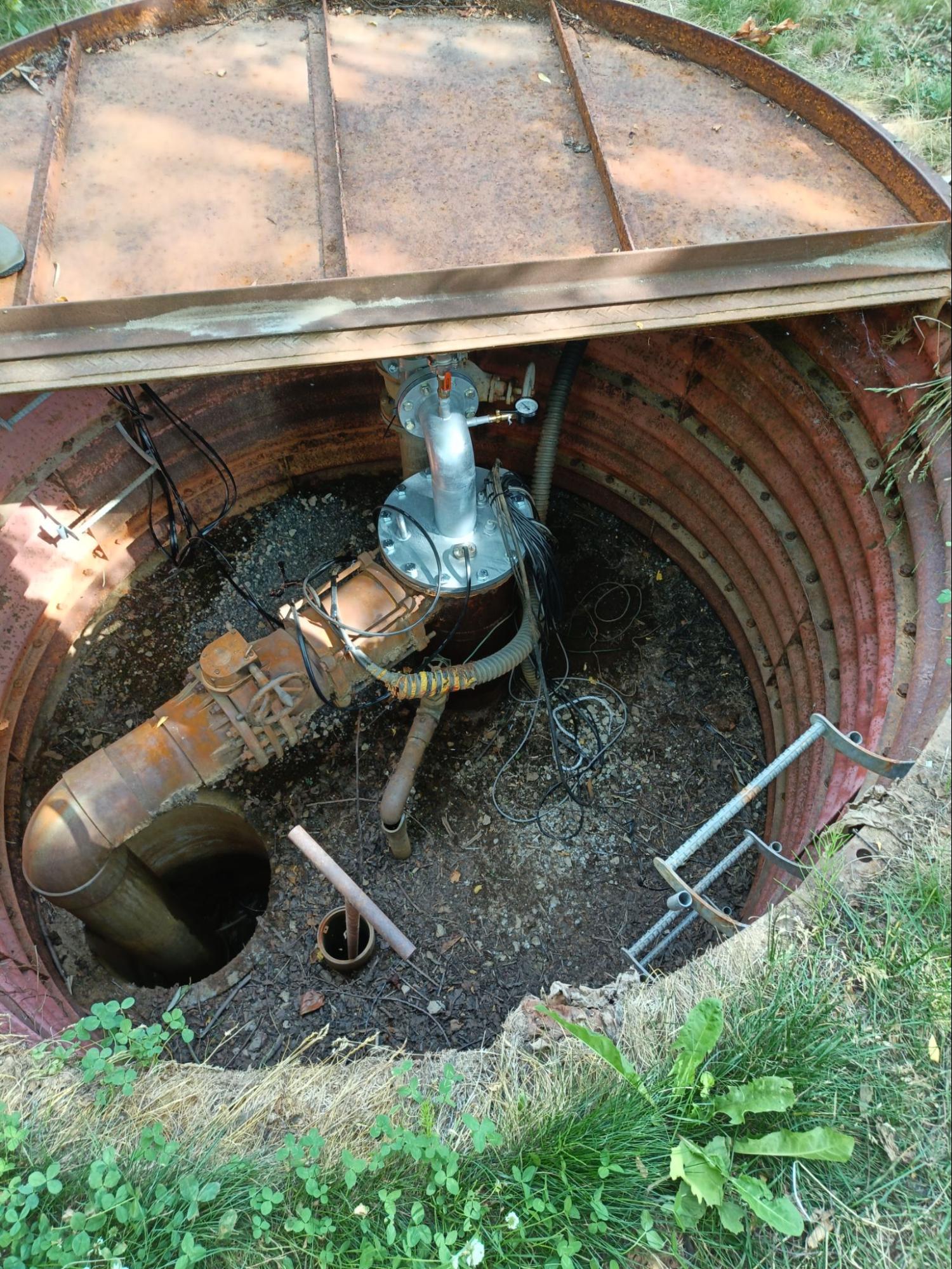
Exploring Subsurface Structure Through an Artesian Well in Izumikawa
hiro
Rusutsu NatureLink
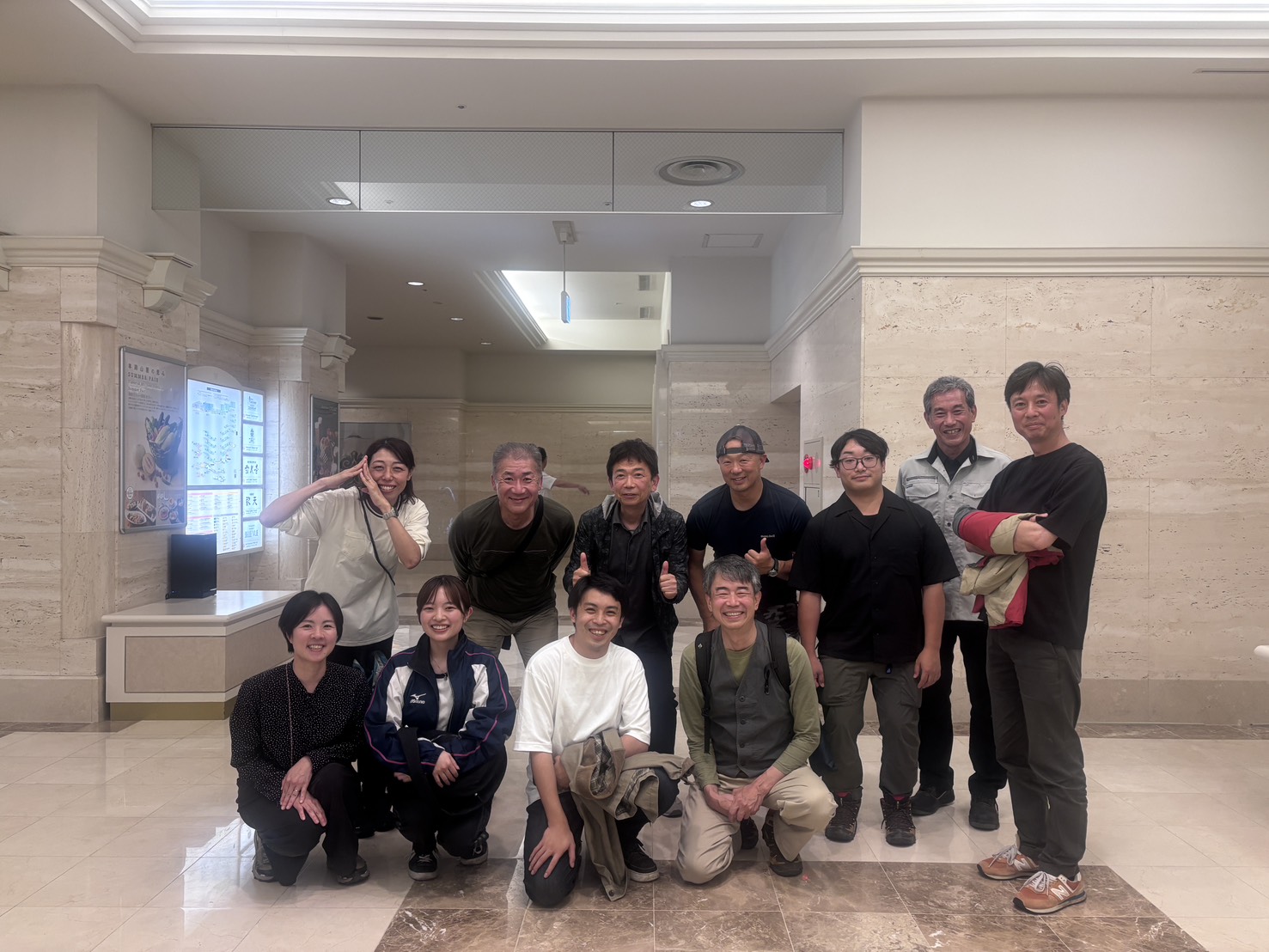
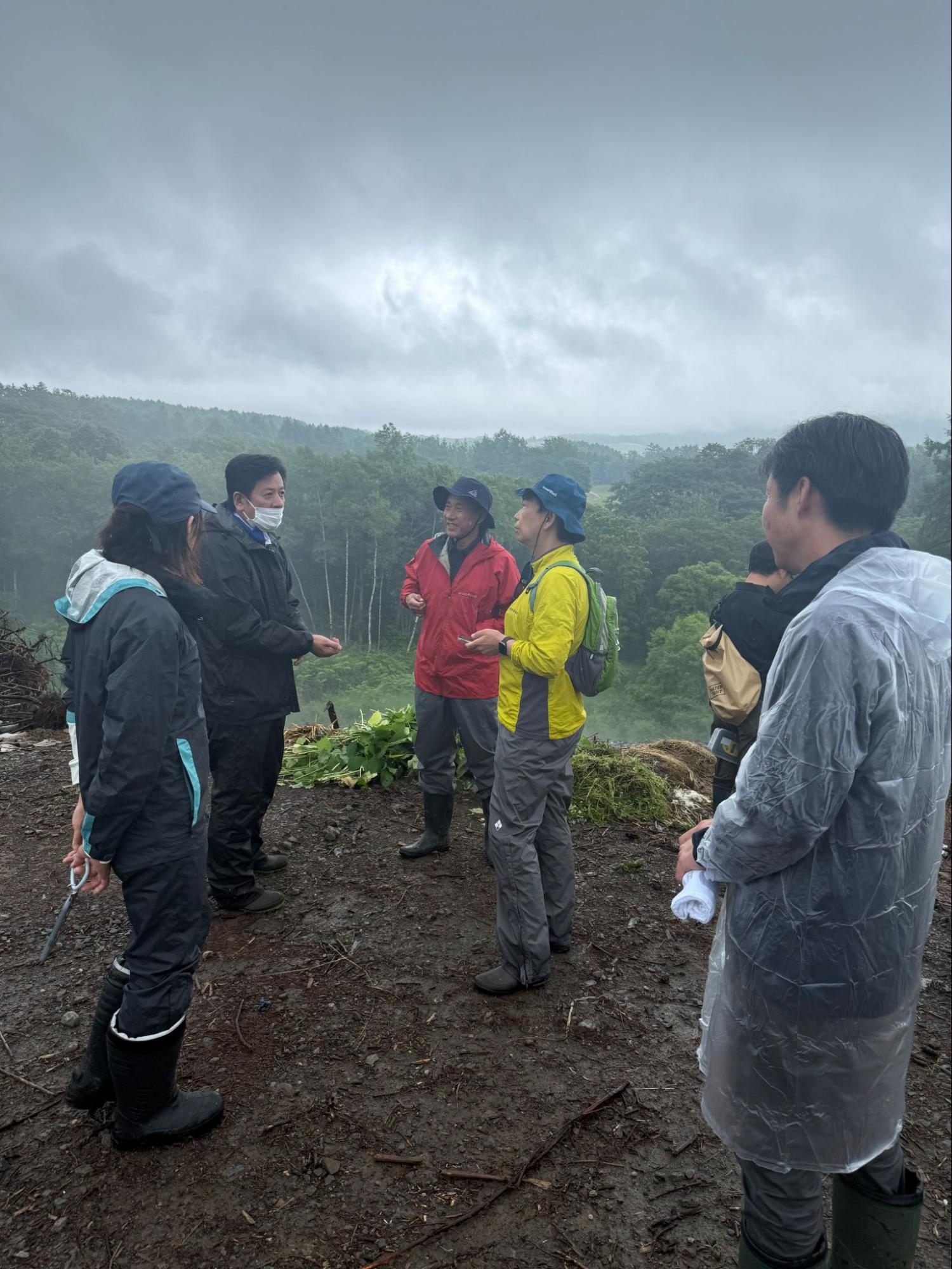
In July 2026, researchers from the Prefectural University of Kumamoto and Nagoya Institute of Technology visited Rusutsu for a field tour of the Water Cycle Project and an exchange of views.
This visit marked the first on-site activity following collaboration with the Collaborative Watershed Flood Management Research Hub, which includes the Prefectural University of Kumamoto.
We briefed the research teams on the groundwater, spring water, rainfall, and river monitoring conducted in Rusutsu to date, as well as the area’s topographical and geological characteristics.
Groundwater in Rusutsu needs to be considered broadly in two areas—the East and West areas—which have differing geological conditions.
Even within the East area, groundwater flow patterns and geological layers may differ between the mountainous terrain that forms an ancient volcanic body and the alluvial fan around Izumikawa.
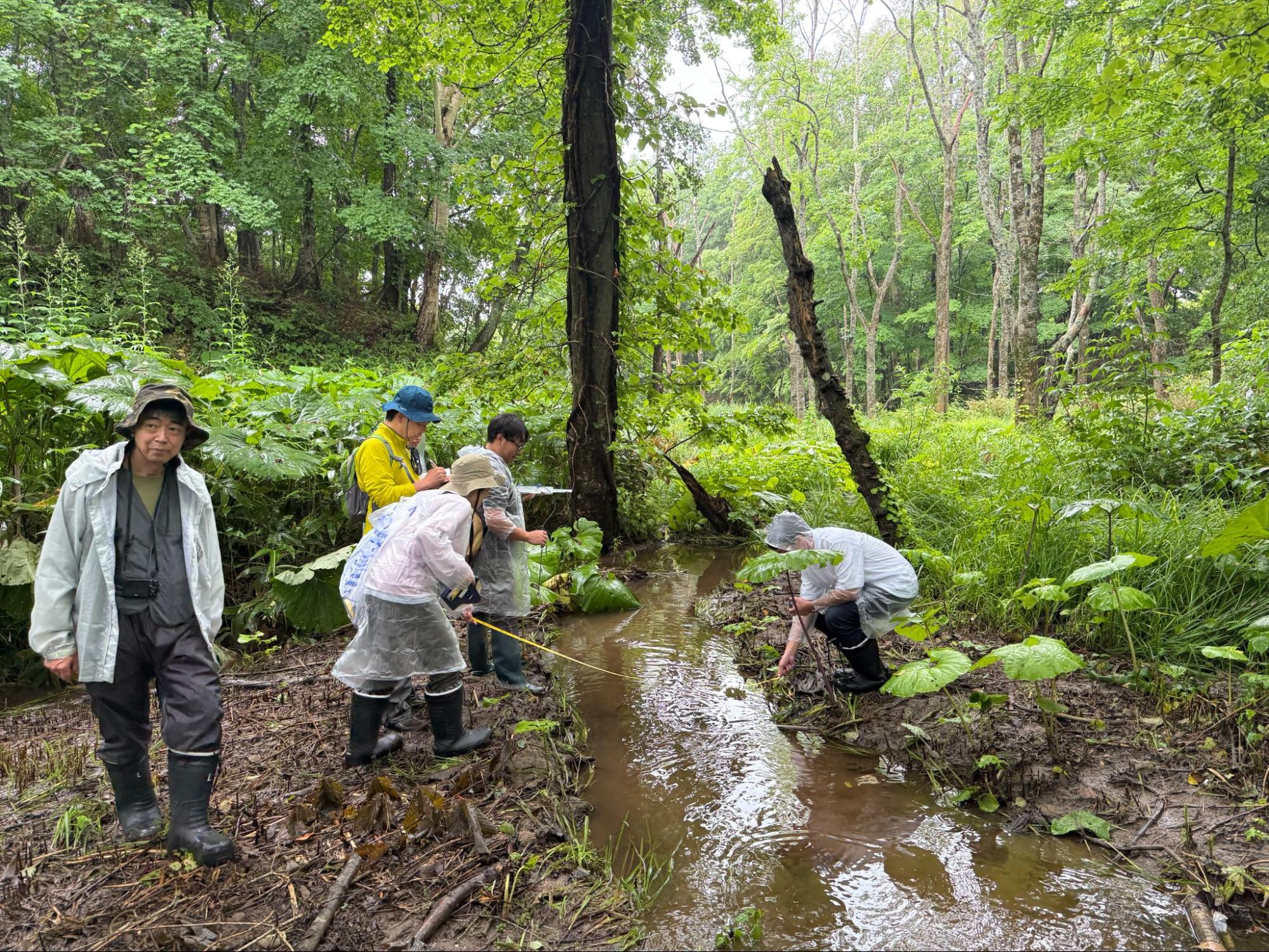
The field tour focused on the East area and included observation wells, rain gauges, groundwater survey sites, potential forest-conservation sites, and candidate locations for CarPlank installations.
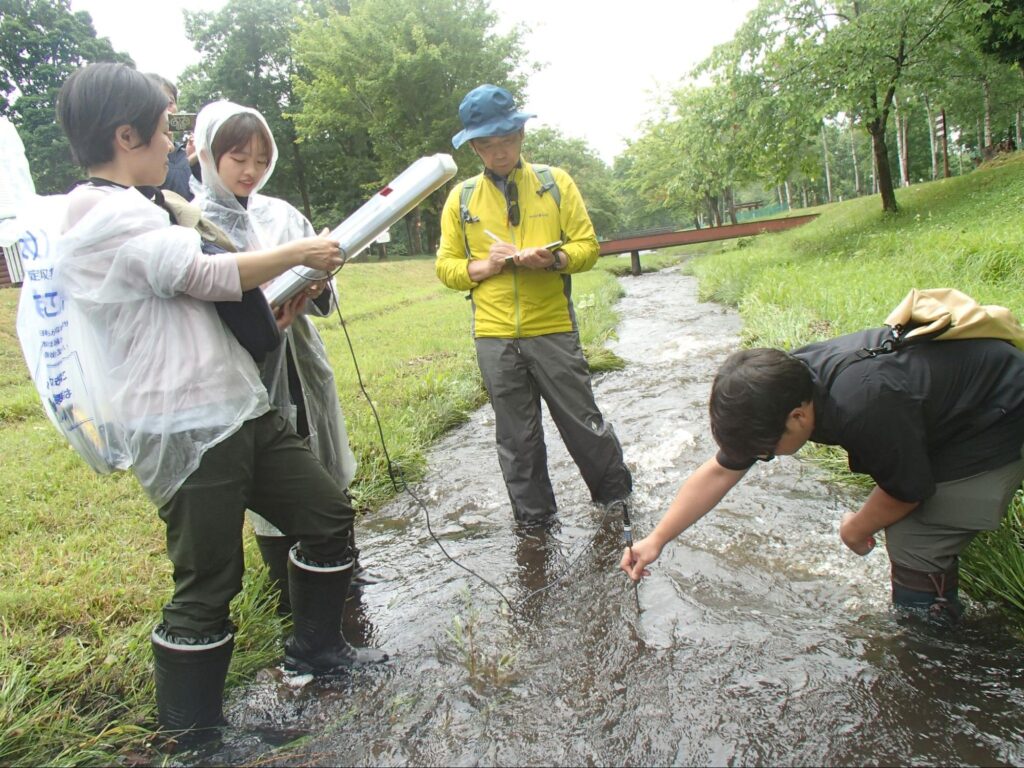
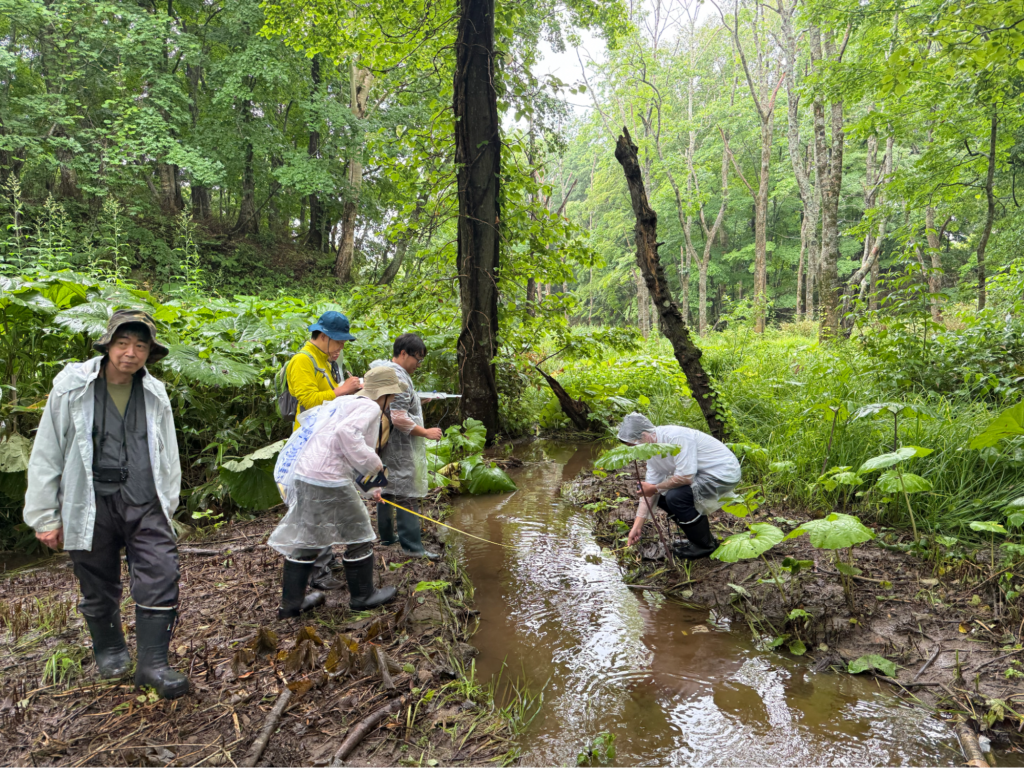
We also shared information on previously identified communication issues, as well as the condition of box culverts, flood-control dams, and related infrastructure.
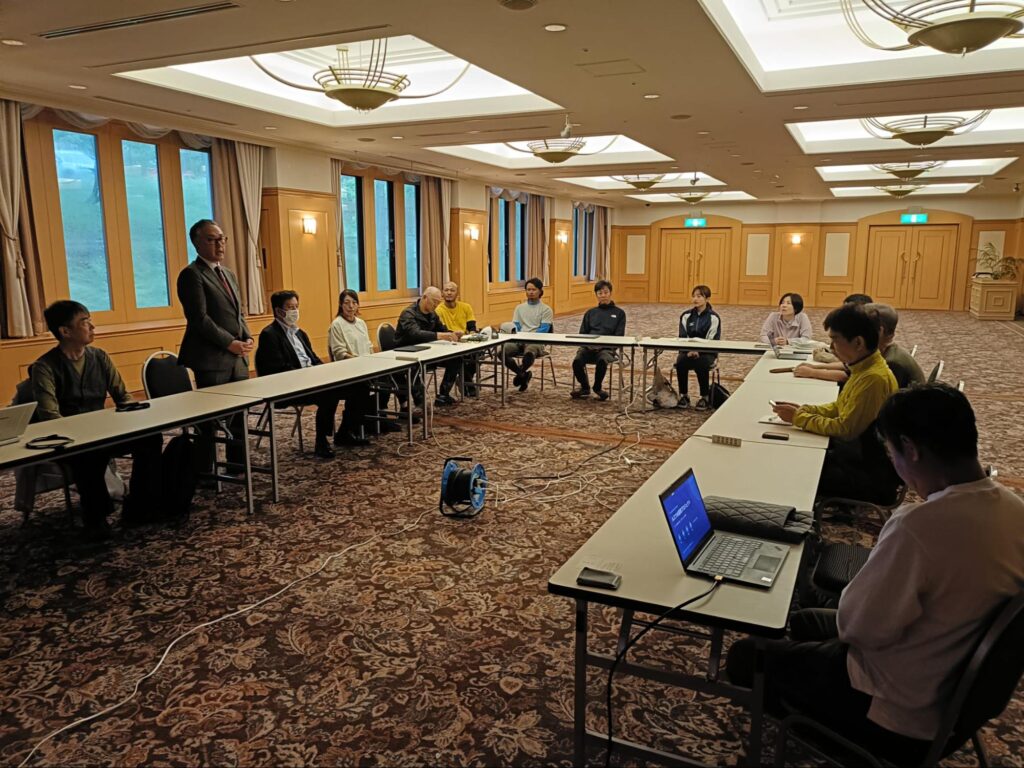
With the research team from Nagoya Institute of Technology, we exchanged views on nature-based river and forest management using CarPlank.
CarPlank is an approach in which timber is installed in streams or valleys to slow the flow of water, helping to reduce sediment runoff and promote infiltration into the ground.
Going forward, we will consider potential installation sites in Rusutsu, structural designs, monitoring methods, and research themes.
With the research team from the Prefectural University of Kumamoto, we exchanged views on water-cycle conservation across the entire Village of Rusutsu, not only at Rusutsu Resort.
Key topics included groundwater recharge, forest management, watershed conservation, natural-capital conservation, regional collaboration, and environmental conservation mechanisms supported by accommodation taxes and other funding sources.
The team also proposed installing small, removable leaky dams and similar structures at the Ponnukibetsu River waterside park, to create an educational program where children can learn about water flow and the role of forests.
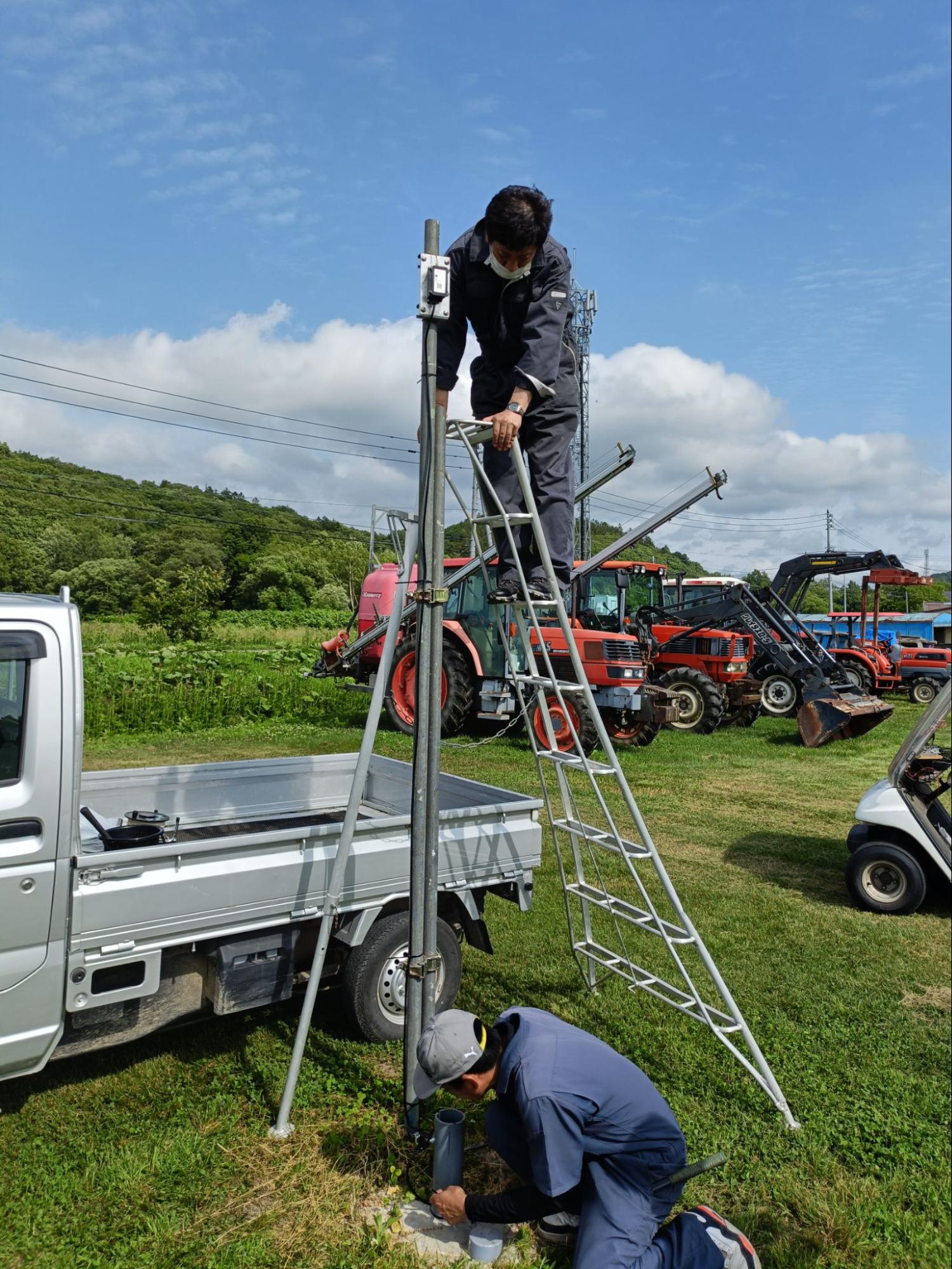
Although this field tour and exchange of views were research-collaboration activities separate from the Phase 2 work on monitoring-equipment installation and IoT validation, they provided an important opportunity to connect locally collected data and monitoring infrastructure with future research, education, and community development.
The research teams’ field activities included visits to observation wells, rain gauges, groundwater survey sites, potential forest-conservation sites, and candidate locations for CarPlank installations, as well as the development of future joint-research priorities.
Protecting Rusutsu’s water requires more than monitoring equipment and technology. It is also important for local communities, businesses, government, and universities to contribute their respective expertise.
Building on this field visit, we will further develop Rusutsu as a research and demonstration field for water cycles, green infrastructure, and environmental education.